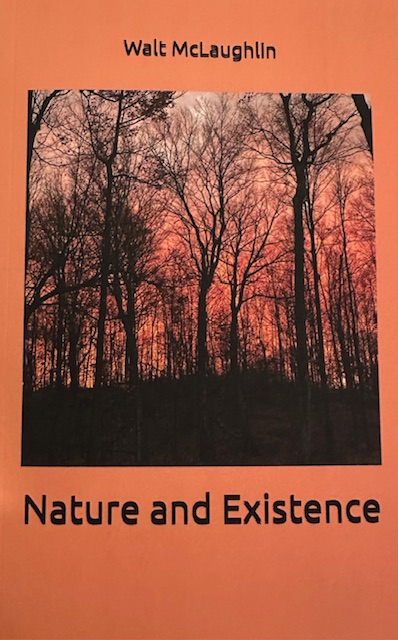
The first edition of Nature and Existence (2010) is down to two copies, so I’ve just published a second edition via Amazon’s print-on-demand service. This way it’ll stay in print indefinitely. I’ve broken up some of the longer paragraphs and added section headings to make it more readable. I’ve also added a preface to put this collection of philosophical essays in perspective. And the cover is new, of course.
I don’t know what’s more amazing: how much my thoughts about God, nature and humankind have changed over the past 15 years, or how much they have stayed the same. At any rate, this remains a good outline of my worldview, for whatever it’s worth.
This book is now available at Amazon.com. It can also be purchased at my website, woodthrushbooks.com. Check it out.
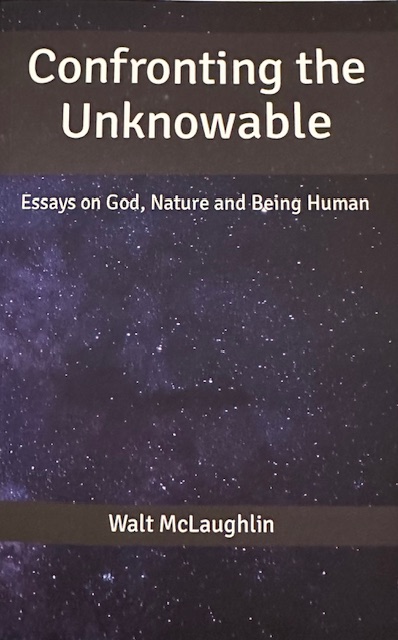
I’ve just released a new collection of short non-fiction pieces, Confronting the Unknowable: Essays on God, Nature and Being Human. This is, I believe, the best half of the 40-odd essays that I’ve written for an online platform called Medium.
I’ve been posting my work at Medium for the past two and a half years. Most of my old, nature-related essays and hiking narratives have been uploaded to my profile page there, while my newer material has appeared at one of five Medium-based publications: A Philosopher’s Stone, Illumination, Socrates Cafe, The Apeiron Blog, and The Philosophy Hub.
This is my first sustained effort to write for the general reader, or as close to that as I’ll ever get. Oddly enough, my more philosophical pieces have garnered more attention at Medium than my hiking narratives. That’s just the opposite of what I’ve experienced elsewhere. Go figure.
A few of these essays address topical issues like climate change and overpopulation, but most of them go deep into philosophical matters: God’s nature, life’s meaning, the great mystery that is nature, and what makes us human. Naturally, I have more questions than answers. Mine is an iconoclastic worldview to be sure.
Last winter I released a dense philosophical work called Nature and the Absolute. These essays address many of the same issues but are much easier to read, I must admit.
This book is now available at Amazon.com. It can also be purchased at my website, woodthrushbooks.com. Check it out.
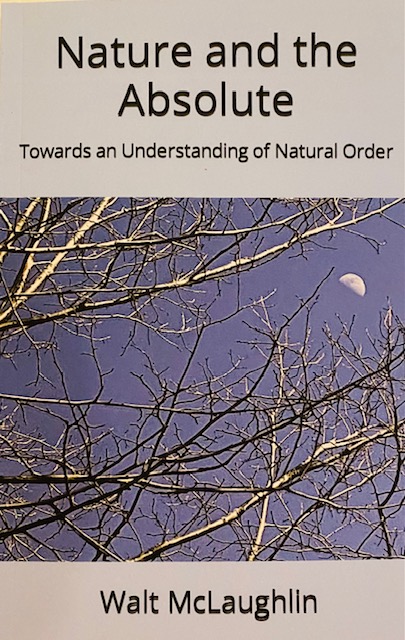
I am pleased to announce the release of my heavy-duty philosophical work, Nature and the Absolute. This is, for all practical purposes, the end result of fifty years of rumination on matters of ultimate concern: what we are, what the world is, What-Is.
The subject at hand is the nature of nature itself. That is, Nature spelled with a capital “N” – what is more commonly referred to as natural order. What exactly is that? How does it function and why? Where does it come from? I’m talking about the metaphysics of nature here, pondered by philosophers, theologians, and some scientists for thousands of years. I touch upon a good number of those worldviews in this book while trying to wrap my brain around the matter. Easier said than done.
Whenever I’m alone in the wild for an extended period of time, either tramping through the backcountry or staying put, I can’t help but marvel at the natural world. I wonder how it all came to be. God created it, some say. Others point to the evolutionary process hard at work. But neither one of those answers gets to the heart of the matter. When we utter the word “God,” what are we really saying? What exactly is the driving force behind this phenomenon that we call evolution? What is absolutely true about the universe at large? Oh yeah, I’ve gone deep into it.
For those of you who don’t want your comfortable worldview challenged, I suggest that you avoid reading this book. For those of you as hungry as I am to know what the hell is going on, fasten your seatbelts. This book is a wild ride, and I mean wild in the truest sense of the word.
Last week I finished writing a ridiculously philosophical work, Nature and the Absolute. Don’t expect to see this book in print anytime soon. I like to give my books time to ferment before giving them the final edit then publishing them. But the heavy lifting is done for all practical purposes. This project has kept me quite busy during the past year and a half. And yes, it is ridiculously philosophical, which is to say I’ve gone as deep into metaphysical matters as it’s possible to go.
After finishing this book I went into the mountains, bushwhacking to a favorite place that will remain unnamed. Upon reaching that place, I put forth to the surrounding trees my reasons for writing such a ridiculously philosophical work. The trees, of course, were unimpressed. They are too busy being trees in engage in the kind of abstract thinking that creatures like me feel the need to do. But it felt good to voice my reasons for all nature to hear. Nature is, after all, what my latest, most ridiculously philosophical work is all about. Nature in the absolute sense of the word, that is. Nature spelled with a capital “N.”
For most of my life, I have shouted the question “Why?” into the universe, trying to understand What-Is. I have wandered and wondered and written over twenty books in my long and winding journey towards understanding natural order. I have read thousands of books and have pondered essence and existence to the point of absurdity. In the final analysis, when it comes to knowing the mind of God (which is what it all boils down to), all I can say it this: I don’t know. And that, I believe, is the most honest thing that I or any other thinking creature can say.
Oh sure, I have my wild speculations about What-Is and harbor all kinds of strong opinions about this, that, and everything else. But my admission of unknowing seemed to resonate with the surrounding trees, the roaring brook, the deep blue sky overhead, and all the rest of the natural world. I say this because, as a woods wanderer, my unknowing matches The Great Mystery that is nature. So stay tuned for the eventual release of my deepest probe into this matter. Then you’ll see for yourself just how ridiculously philosophical this book and my worldview really are.
I have a lot of time on my hands, thanks to the pandemic. As a result, I’ve been doing two things a lot more than I usually do: reading and gardening. And in a strange way, these activities are related.
A month and a half ago, I finished putting together my latest book, CampfirePhilosophy, for publication. Since then I have been hard at work, reading and doing research for a brand new book project about nature and the Absolute. Central to this project is the dance of order and chaos that we find in nature – something that has always fascinated me. To what extent is nature designed, subject to immutable laws? To what extent are the forces in it utterly random? Needless to say, these questions have taken me all over the place, from German Idealism, Indian philosophy and microbiology, to Natural Theology, evolution, and quantum mechanics. My latest stop: chaos theory. Egads!
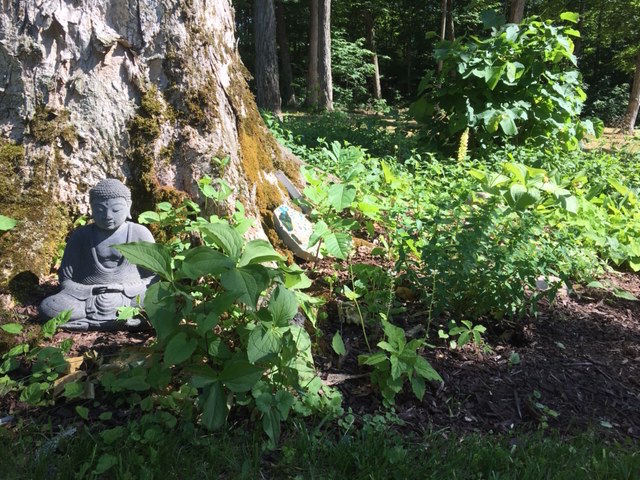
Along with the entirely ordered gardens around the house that are full of utterly domesticated plants, Judy and I have cultivated a patch of forest floor in our back yard that we call the Buddha Garden. A stone Buddha lords over this somewhat haphazard experiment in what I call unnatural selection. In addition to a dozen or so domestic flowers that we’ve planted there – some of which are found naturally in the wild, like false Solomon’s seal and foamflower – we have allowed many of the native plants to stay. Among these are trilliums, baneberry, trout lily, and some rather aggressive asters. So you could say that this so-called garden, wilder than most, is a curious blend of order and chaos.
At any rate, while transplanting more flowers into it this morning, I couldn’t help but wonder what the laws of nature are and to what extent they dictate what happens in my semi-wild garden regardless of my tinkering. Meanwhile, the stone Buddha just sits there, seemingly detached from my pondering and handiwork, staring into oblivion as if there’s something about simply being in the world that guys like me completely miss.
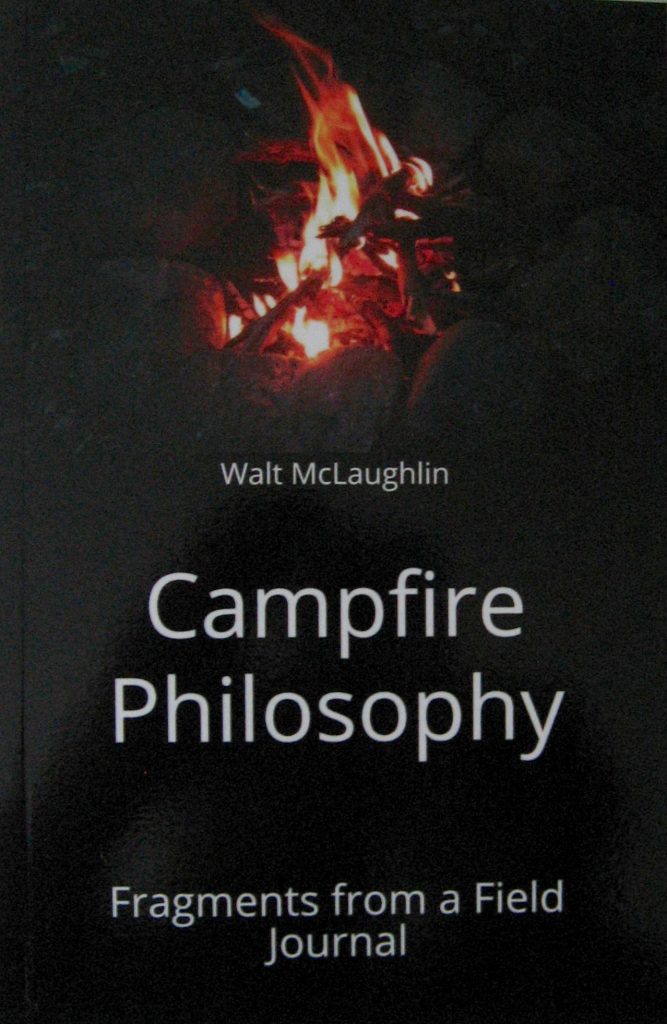
Back in 2006, I self-published excerpts from my field journal in a slender staple-stitched chapbook. Last winter I added more excerpts to that collection, expanding it to this 138-page paperback. I call it Campfire Philosophybecause these are all wild moments, reflections and insights written while I was in the woods – quite often while sitting next to a campfire. One can almost hear the campfire crackling in them.
The fragments in this book span 30 years. They have been drawn from the field journals of every major excursion I’ve taken into the wild, along with a good number of smaller outings. And while my worldview is worked out better in other books of mine, this writing best captures the spirit of decades of woods wandering. It is also presented here in nice little snippets that the reader can digest at his or her leisure.
At any rate here it is, Campfire Philosophy, my latest offering to the world. It’s available at the Wood Thrush Books website, and Amazon.com, of course. I hope it inspires some of you to get out and enjoy wild nature while the pandemic rages in the more developed places.
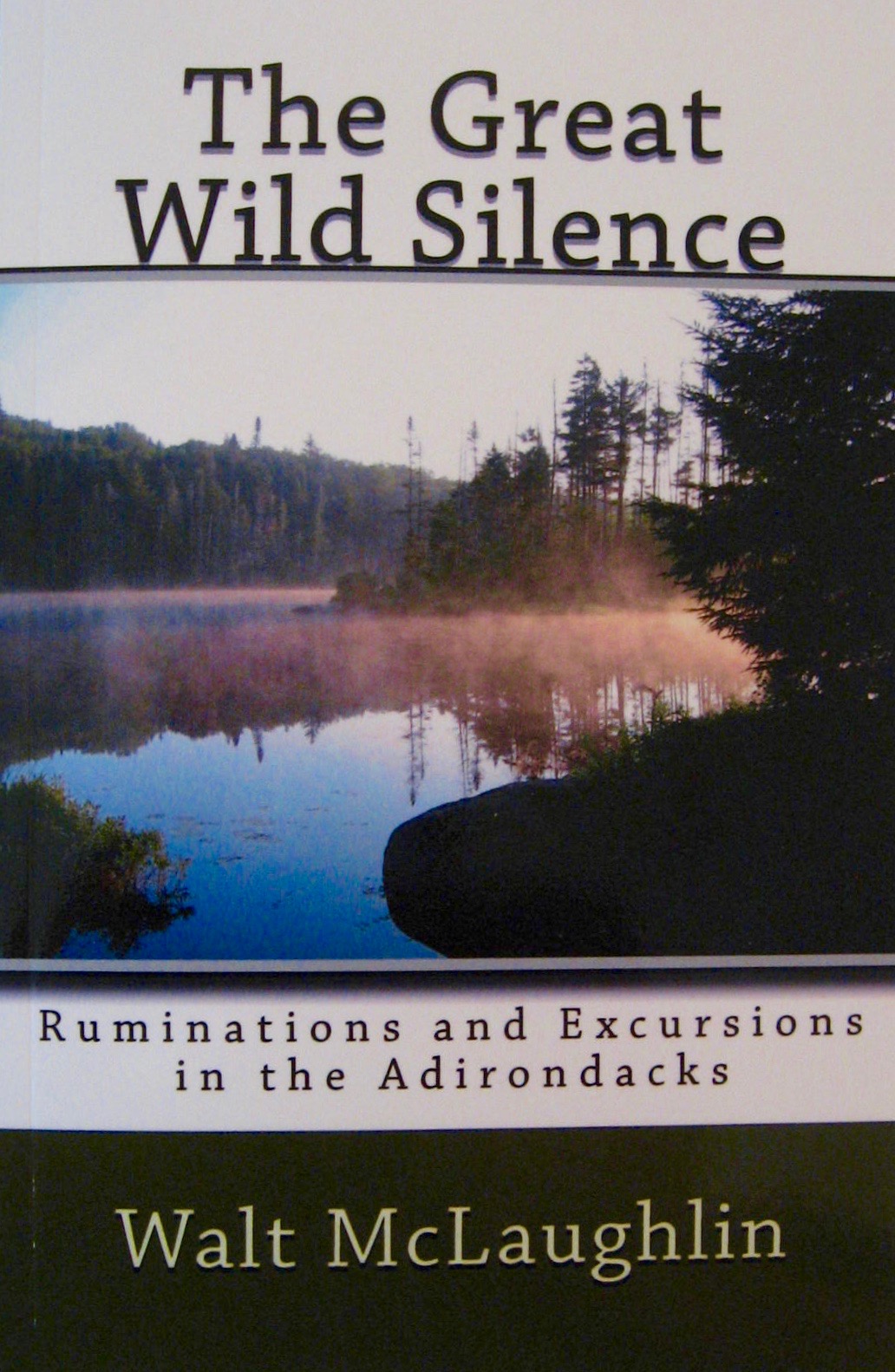
Five years after the release of The Allure of Deep Woods, I now have a second Adirondack book in print: The Great Wild Silence. It consists of a dozen short narratives and essays about backpacking in the Adirondacks, along with one rather long narrative about my 5-day sojourn in the West Canada Lakes Wilderness last year.
The Great Wild Silence is the juxtaposition of movement and staying put, of hiking and abstract thought. The main narrative in this collection, “Deep Forest Ruminations,” is a series of meditations on nature and our place in it, braided with observations and routine activities while camped alone at a backcountry lake – just me and my dog Matika, I should say. That’s the second half of the book. The first half sets the stage, recounting various excursions in the Adirondacks over the past 25 years, both alone and with others. Some of the latter pieces first appeared in the ADK publication Adirondac and other periodicals but haven’t been seen since. I’ve extracted others from previous collections of mine. It’s a curious mix to be sure.
If you’re as enamored with the Adirondacks as I am, then you’ll probably enjoy this book. You can order it at my website: woodthrushbooks.com, or you can find it at Amazon.com. Be forewarned, though: there’s a lot of philosophical speculation in this book. It isn’t just about walking in the woods.
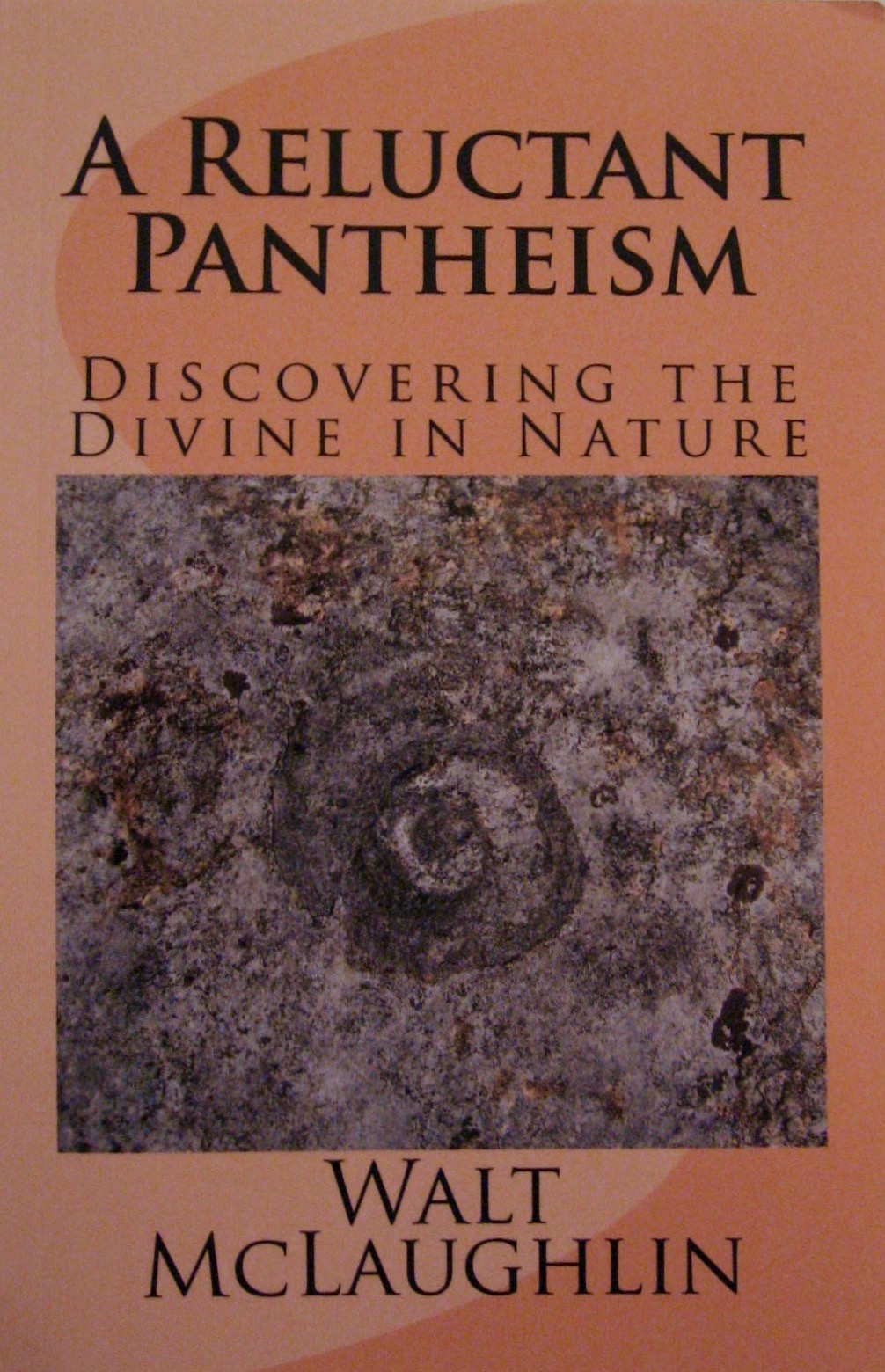
Three years after putting the first few words down on paper, A Reluctant Pantheism is now in print. It was officially published at Amazon two weeks ago, but the first shipment of books just arrived at my doorstep this afternoon.
This is a book I’ve wanted to write for decades – a full-length work of religious philosophy. Such things can’t be rushed, though. It has taken me the better part of a lifetime to sift through all the theories, beliefs and hard science regarding the nature of nature, and to conjure up some sensible concept of God as a result. My own spiritual quest, begun as a teenager yet continuing to this day, makes anything I say or write about the matter rather inconclusive. Still, I have dived headfirst into this subject, and it feels good to have done so.
A Reluctant Pantheism is not an easy read, even though my wife Judy says it’s more accessible than my other philosophical writings. Nor is it suitable for those of you who have your vision of the world all cut and dried. In this book I venture into that nebulous realm where natural science and religion meet – a realm where conscientious philosophers and theologians have been scratching their heads for thousands of years. And yes, there’s more of my own story in this book than I care to admit. In short, I doubt it’s like anything you’ve ever read before.
So if you’re in the mood for something different, check out this book. You can order it at my website: woodthrushbooks.com, or you can find it at Amazon.com. Facebook or email me to share your thoughts if you do get into it. I’d like to know how this book is received.
Every once in a while I stop and take a long, hard look at my life. I consider myself perfectly normal, but my wife likes to remind me that I operate way out of mainstream. She’s right, of course. I fill my days with tramps through the woods, writing, publishing and selling books, and philosophical speculation – very little of which is good for the economy.
Lately my mind has been firing on all cylinders. I’ve written a few new essays, put the finishing touches on my pantheism book, and edited a manuscript of Walt Franklin’s that I’ll publish next spring. In addition to this, I’ve been reading lots of books and papers on human nature while working out the intricacies of wildness and being human. All this literary work keeps me busy, to say the least.
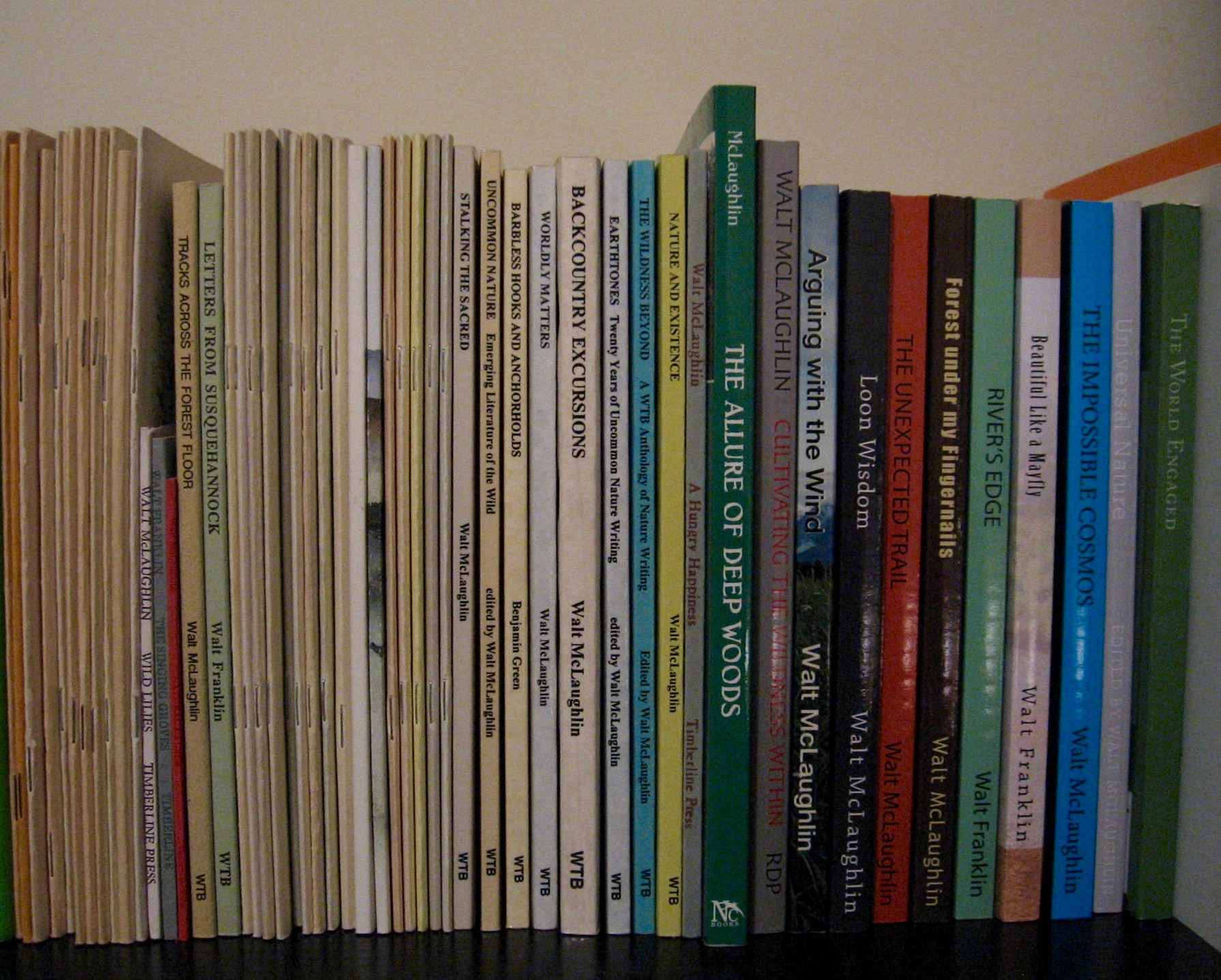
What’s it all for? I look at the long row of books my bookshelf that I’ve written and/or published and wonder who cares about my thoughts beyond a small group of faithful readers. Who will care a hundred years from now? More to the point, does the world really need another worldview? Aren’t there enough of those already?
Funny how I break into a fit of self-doubt every time I put on my philosopher’s hat. But response to my work during the past 25 years has made it clear to me that philosophy – my philosophy in particular – doesn’t sell. What the world wants from me are hiking narratives, not rumination. So I drop my pen and go for a hike long enough to get out of my head, to see what the wild has to say about all this. And that’s how it happens. That’s how I become a philosopher of wildness. All nature wants me to forget about economics and focus on what’s real.
As a self-proclaimed philosopher, I have no credentials. I wander, I wonder, I write. That is all. The forest is my university and its inhabitants are my teachers. I dismiss everything I find in books or on the Internet that refutes the wild. I embrace Nature with a capital “N,” and seriously question whether anything exists beyond it. In addition to this, I live my funky life despite what’s good for the economy. And that, I suppose, is what makes me a heretic.
Two weeks after leaving the woods, I am still processing what I thought and experienced while sojourned briefly at Pillsbury Lake. Most of this process is subconscious, though occasionally I think back to a particular moment during that retreat when something significant took place, or some important insight arose.
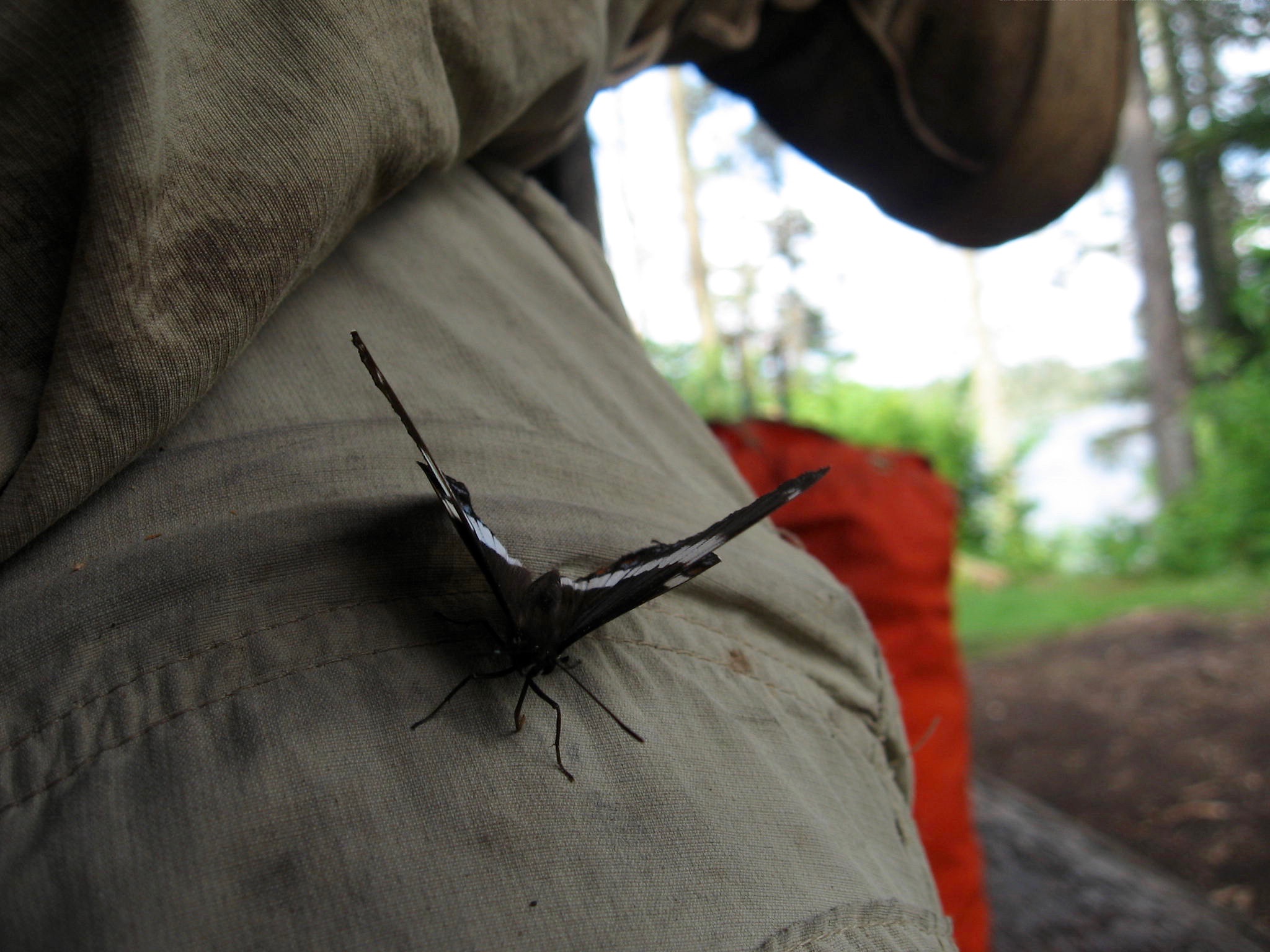
Early into my fourth day alone, while I was leaning against the shelter wall and writing in my journal, a butterfly landed on my leg. I had been writing down some heavy-duty thoughts concerning God, man and nature. The butterfly came to render its opinion – as if what I was writing had better match up to the reality of wildness. That’s how it struck me at that time, anyhow. How well did I do? It’s still too early to tell.
Earlier this week, a phrase came to me in the middle of the night: philosophy tempered by wildness. That pretty much sums up what my recent Adirondack retreat was all about. There is an indoor, utterly civilized way of looking at the world and another way that makes more sense in the wild. During my retreat, I opted for the latter.
There’s a book somewhere in all this, I’m sure. The trick is to let things ferment a bit, then to start writing while the memories are still fresh. The urge to start writing comes to me during my day-to-day affairs. Suddenly I feel distracted, as if some powerful insight is about to wash over me. Then it passes. Yeah, I’ll be hard at work on this book soon.
This time around, my number one critic will be that butterfly. Whatever I write has to win its approval. I’ll rely heavily on my field journal, of course, because that is a record of my outdoor thoughts at the time. But it’s still going to be tricky. There is a tendency to make ones wild thoughts make more sense than they should. On this journey, reason can only take me so far.
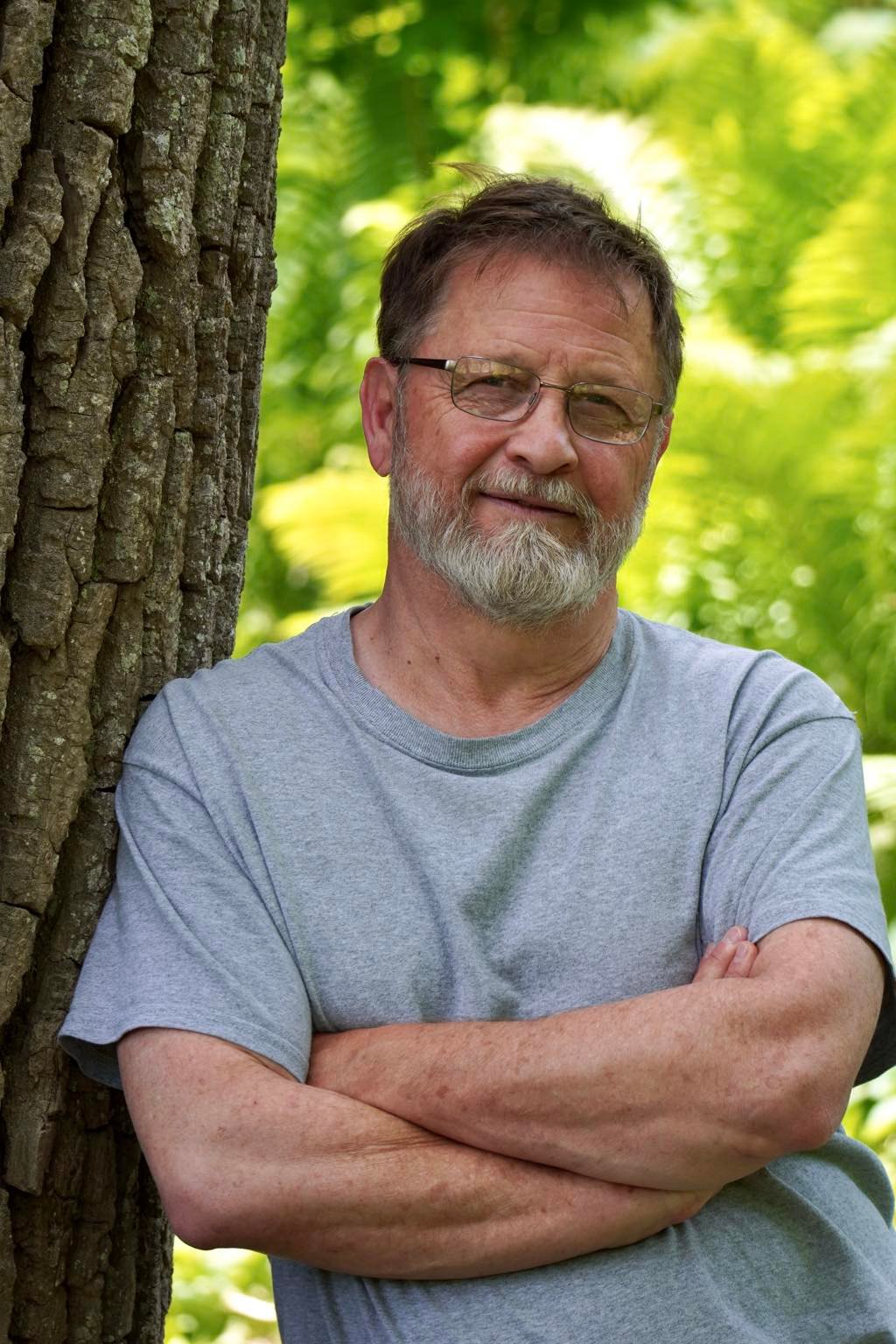
Backcountry traveler, freelance writer, and philosopher of wildness, McLaughlin has ventured into the wilds of Southeast Alaska and New York’s Adirondacks as well as the forests of northern New England. More about Walt.